
Green City Design: 7 Bold Ideas Revolutionizing Attractive Urban Life
By Mz Chaker & EAGC │May 25, 2025
How can Green City Design create healthier, more livable urban spaces? Discover seven bold ideas that blend green infrastructure, smart tech, and community well-being.
Introduction: Rethinking the Future of the Green City
What if our cities could breathe, cool themselves, and feed their people—all while empowering communities? As climate change accelerates and urban populations soar, the need to redesign cities becomes a survival and well-being-critical issue. Today’s concrete jungles—overheated, polluted, and disconnected—no longer serve the needs of people or the planet. We need a new blueprint that does not just sustain life but actively improves it.
Enter Green City Design, a bold movement that transforms urban spaces into living, thriving ecosystems. But, how does innovative urban design revolutionize the future of city life? How can we build neighborhoods where work, nature, and wellness are all within reach? What role does digital innovation play in greening our cities? And most importantly, how do these ideas enhance the quality of everyday life? In this article, we’ll explore seven bold ideas in reshaping the cities of tomorrow.
Idea n°1: Living Architecture in the Green City - Where Nature and Buildings Coexist
Living Architecture marks a thrilling convergence of ecology and design. In the Green City, structures do more than shelter—they breathe, grow, and nurture life.
The Rise of Vertical Forests and Living Walls in Sustainable Architecture
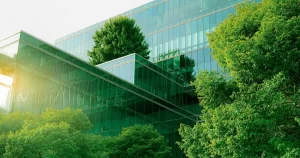
Vertical greenery transforms turns dull urban facades into vibrant, lush ecosystems. These vertical forests and green walls serve more than an aesthetic function. Integrated into Sustainable Architecture, they:
- Cool buildings naturally, reducing HVAC needs.
- Filter air pollutants and CO2, improving air quality.
- Boost biodiversity by offering microhabitats for insects and birds.
- Shield walls from sun and rain, increasing structural longevity.
Moreover, they mitigate the urban heat island effect—a critical issue as cities warm. When deployed on a large scale, vertical greenery acts as urban lungs. A study published in Building and Environment found that vegetated walls recorded surface temperatures up to 7.7°C lower than those of uncovered walls during summer months. This cooling effect is primarily due to shading and evapotranspiration, which reduce heat absorption by building surfaces.
As demand for healthier and more climate-conscious living grows, these bio-integrated systems are key players in resilient urban futures.
How Biophilic Building Design Improves Health, Air Quality, and Biodiversity
Biophilic Building Design aims to restore the human connection to nature within urban and architectural spaces. It draws from our innate affinity with the natural world and integrates greenery into everyday settings. Core principles include:
- Maximizing daylight and ventilation
- Incorporating natural materials and textures
- Designing views of gardens, parks, or courtyards
A study by Terrapin Bright Green reveals that workers in biophilic buildings report 15% higher well-being, are 6% more productive, and 15% more creative Terrapin Bright.
Hospitals with garden views also show faster patient recovery rates. In short, biophilic design makes urban life more human, Terrapin Bright Green. By improving air quality, reducing stress, and enhancing biodiversity, it supports both environmental goals and community wellness.
This principle plays a foundational role in any Green City, where beauty and well-being are interconnected.
Trailblazing Projects
Two of the world’s most iconic green skyscrapers set the tone for future-ready architecture:
Bosco Verticale (Milan)
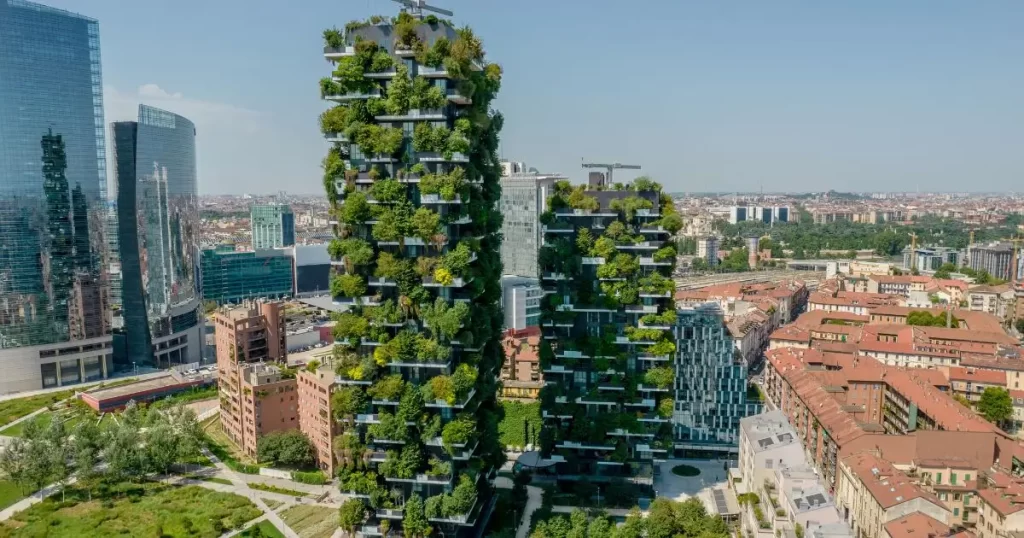
Bosco Verticale, or the “Vertical Forest,” is a landmark of modern green architecture. Located in central Milan, it features two residential towers, rising 80 and 112 meters ArchDaily. Together, they host over 900 trees and 20,000 shrubs and perennials, creating a living vertical forest that reshapes the urban skyline- StefanoBoeri Architetti [a].
Nanjing Green Towers (China)
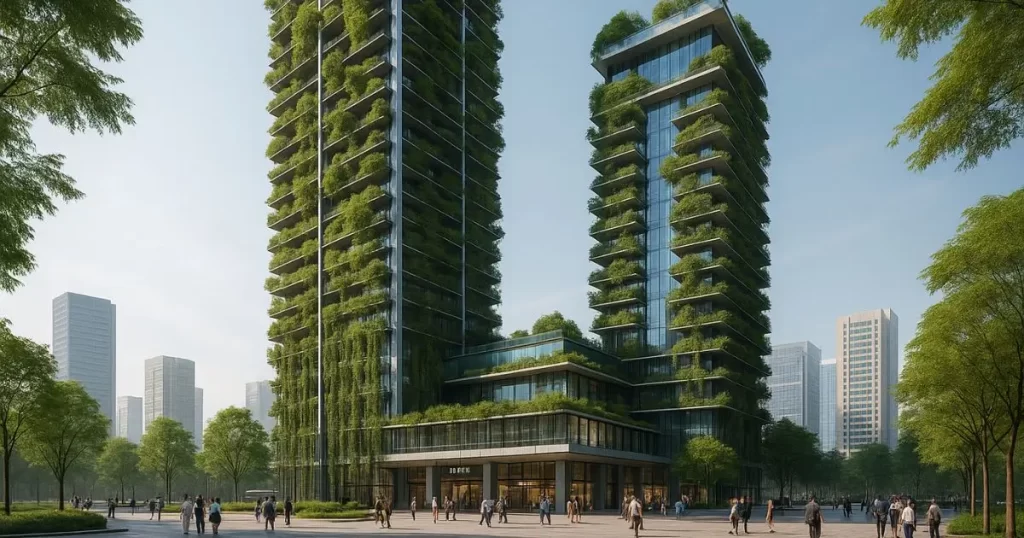
Inspired by the success of Bosco Verticale, the Nanjing Green Towers represent a bold step into China’s vertical forest architecture. The twin towers include residential and commercial spaces within a living green envelope. Each tower hosts more than 1,100 trees and 2,500 cascading plants covering the façades- StefanoBoeri Architetti [b].
Overcoming Challenges: Maintenance, Cost, and Urban Integration
Despite the promise, Living Architecture comes with hurdles:
- Maintenance: Requires skilled upkeep and long-term care.
- Cost: Green walls can be expensive to install and maintain.
- Integration: Cities need clear zoning and incentive policies to adopt them widely.
However, innovation is making solutions scalable. For example:
- Modular systems now reduce cost and simplify maintenance.
- Public-private partnerships offset initial investments.
- Progressive municipal initiatives, such as Singapore’s Landscaping for Urban Spaces and High-Rises (LUSH) program, actively encourage developers to integrate greenery into the built environment.
With the right strategy and incentives, even the densest cities can embrace vertical nature.
Idea n°2: Designing a Walkable Green City - The Power of the 15-Minute Urban Model
As we rethink the Green City, it’s impossible to ignore the growing popularity of the 15-minute city. It is a bold idea, where everything you need, from work to wellness, is just a short walk or bike ride away. This section explores how this human-centered design principle transforms urban life into a more sustainable, equitable, and enjoyable experience.
Human-Centered Sustainable Urban Design That Reduces Emissions and Commutes
At the core of the 15-minute city is a simple but powerful idea: design cities for people, not cars. By doing so, cities can drastically reduce car dependency by clustering daily needs (housing, workspaces, shops, schools, and parks) within a compact radius. Key benefits include:
- Lower carbon emissions, as fewer people rely on personal vehicles.
- Healthier lifestyles, with more walking and biking opportunities.
- Reduced noise and air pollution, improving urban livability.
Moreover, reduced commute times free up valuable hours for recreation, family engagement, and community involvement. As urban planning shifts from car-dependent sprawl toward walkable, mixed-use neighborhoods, cities benefit from cleaner environments and stronger communities.
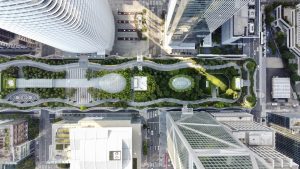
Integrating Mixed-Use Zoning, Green Corridors, and Public Spaces
To make 15-minute cities work, urban design must integrate zoning, nature, and social infrastructure seamlessly. Mixed-use zoning ensures that homes, cafes, clinics, and offices co-exist, encouraging dynamic, walkable environments. In addition:
- Green corridors link neighborhoods and parks, promoting biodiversity and active transport.
- Public squares and open spaces become community anchors, hosting markets, performances, and gatherings.
- Eco-friendly design adds shade, comfort, and aesthetic appeal, making streets more inviting.
This integration promotes not only sustainability, but also mental health. Moreover, it enhances inclusion and cultural expression, carrying people together naturally and frequently.
Case studies
Real-world models show that the 15-minute city isn’t just a theory—it’s already in motion:
Paris’s 15-Minute Plan
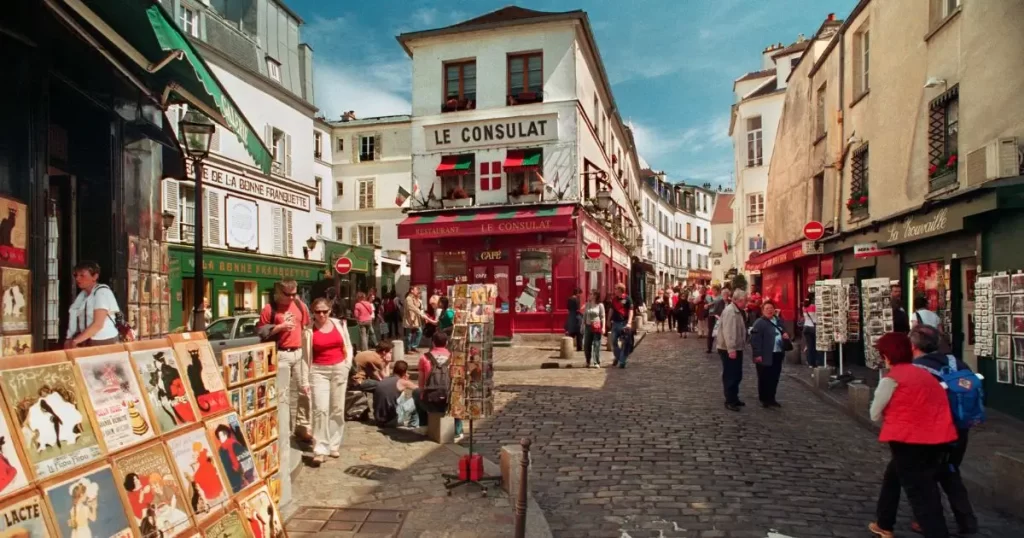
Strategy : Mayor Anne Hidalgo’s plan focuses on local services, car-free zones, and bike infrastructure.
Outcomes: 60% increase in cycling; air quality improved significantly since 2020 (Source : MDPI)
Melbourne’s Urban Villages
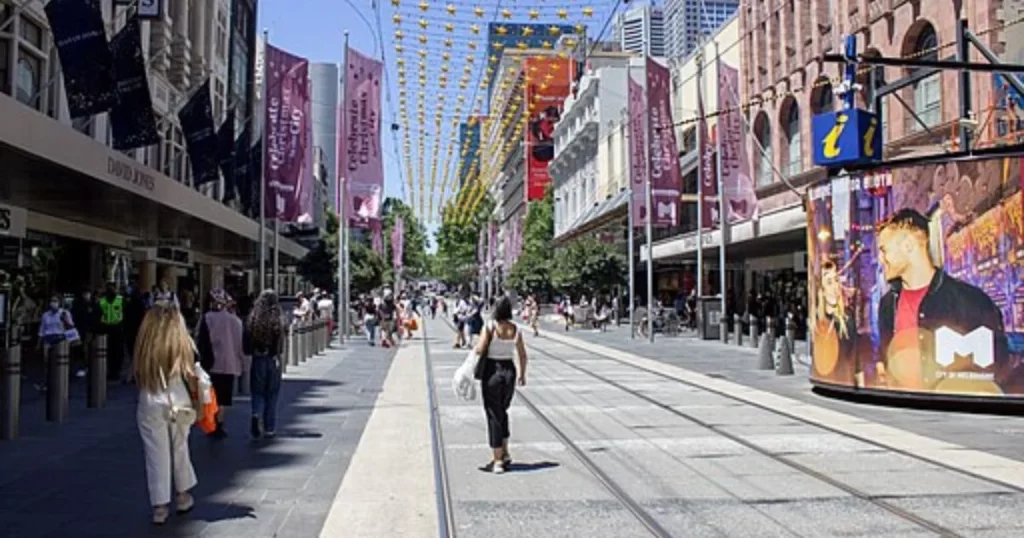
By @Philip Mallis from Melbourne, CC BY-SA 2.0, via Wikimedia Commons
Strategy : 20-Minute Neighborhoods” aim to make every basic need accessible locally. (Source : Australian Urban Observatory)
Outcomes: Boosted local economies; stronger community identity and reduced traffic stress.
For further information about the World's Best Green Cities and innovation in action, click here.
How This Model Supports Resilience, Equity, and Attractive Urban Life
To make 15-minute cities work, urban design must integrate zoning, nature, and social infrastructure seamlessly. Mixed-use zoning ensures that homes, cafes, clinics, and offices co-exist, encouraging dynamic, walkable environments. In addition:
- Green corridors link neighborhoods and parks, promoting biodiversity and active transport.
- Public squares and open spaces become community anchors, hosting markets, performances, and gatherings.
- Eco-friendly design adds shade, comfort, and aesthetic appeal, making streets more inviting.
This integration promotes not only sustainability, but also mental health. Moreover, it enhances inclusion and cultural expression, carrying people together naturally and frequently.
Idea n°3: Smart City Infrastructure for a Greener Tomorrow
To build Sustainable Cities, we need to move beyond static infrastructure. Cities must be flexible and responsive. That’s why Green Cities are getting smarter, using digital tools to meet environmental goals and improve daily life. The innovations below show how smart technology is reshaping urban living.
How Digital Innovation Powers the Green City Vision
At the heart of every smart green city lies a digital nervous system—AI, IoT, and automation—working quietly yet powerfully to make urban life more efficient and sustainable. These technologies go far beyond convenience; they optimize operations, reduce carbon footprints, and predict urban needs in real time. Key applications include:
- AI algorithms that forecast energy demand and manage smart traffic systems.
- IoT devices that detect water leaks, monitor air quality, and adjust lighting based on real-time data.
- Automation in waste sorting, street lighting, and building management to minimize human error and energy waste.
Moreover, these tools enhance urban planning, allowing city leaders to simulate development scenarios, assess environmental impacts, and prioritize green investments. By embedding intelligence into infrastructure, cities become proactive rather than reactive, shaping a cleaner, more resilient future.
Smart Grids, IoT Sensors, and Data-Driven Sustainability
To truly reduce environmental impact, cities must manage their resources with surgical precision. That is where smart grids, IoT sensors, and data analytics play a vital role. They enable urban systems to self-regulate, optimize performance, and cut waste. Here’s how they work:
- Smart grids balance electricity loads, integrate renewable sources, and reduce outages. For example, Amsterdam’s smart grid pilot significantly reduced peak energy use.
- IoT water sensors detect leaks instantly and monitor usage, as seen in Singapore’s PUB system, which saves millions of liters annually.
- Waste bins equipped with sensors, in cities like San Francisco, notify collection teams only when filled, cutting fuel use and emissions.
By turning data into action, these systems make cities more resilient, resource-efficient, and responsive to environmental challenges in real time.
Building Design That Responds to Real-Time Environmental Needs
The buildings of tomorrow won’t just be static; they will think, adapt, and react. With embedded smart systems, modern structures actively participate in the fight against climate change. Key smart city features include:
- Automated HVAC systems that adjust indoor temperature according to weather conditions, occupancy, and time of day.
- Daylight-responsive lighting that dims when natural light is sufficient, reducing energy use by up to 60%.
- Energy dashboards that provide real-time feedback to occupants, encouraging more sustainable behavior.
Furthermore, intelligent buildings improve occupant comfort by adjusting humidity, ventilation, and lighting to promote health and productivity.
By merging machine learning, real-time sensors, and energy modeling, these buildings achieve maximum efficiency with minimal intervention—turning workspaces, homes, and public buildings into climate allies.
Global Examples: Songdo (South Korea), Barcelona, and Singapore
Several cities worldwide are leading the way in marrying smart technology with environmental design, offering powerful lessons in scalable, integrated solutions. Among the most notable are :
Songdo, South Korea
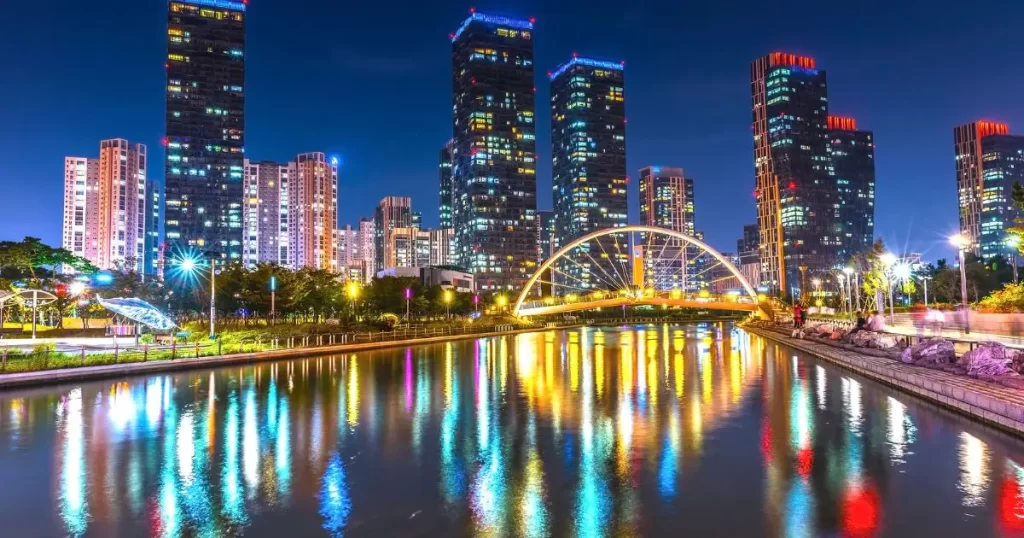
Smart-Green Integration: Built as a smart city from scratch: underground waste system, real-time transit, and green buildings.
Key Outcomes: Achieved 30% lower energy consumption than traditional cities (NewCities)
Barcelona, Spain
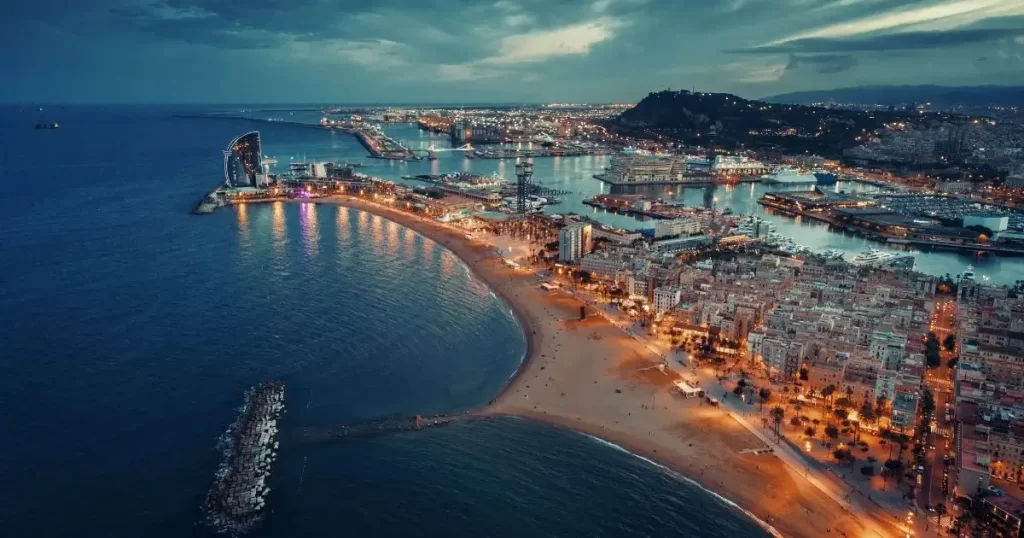
Smart-Green Integration: IoT-powered public lighting, smart water systems, and green roofs on municipal buildings.
Key Outcomes: Saved over €75 million in water and energy costs since implementation (beesmart.city)
Singapore
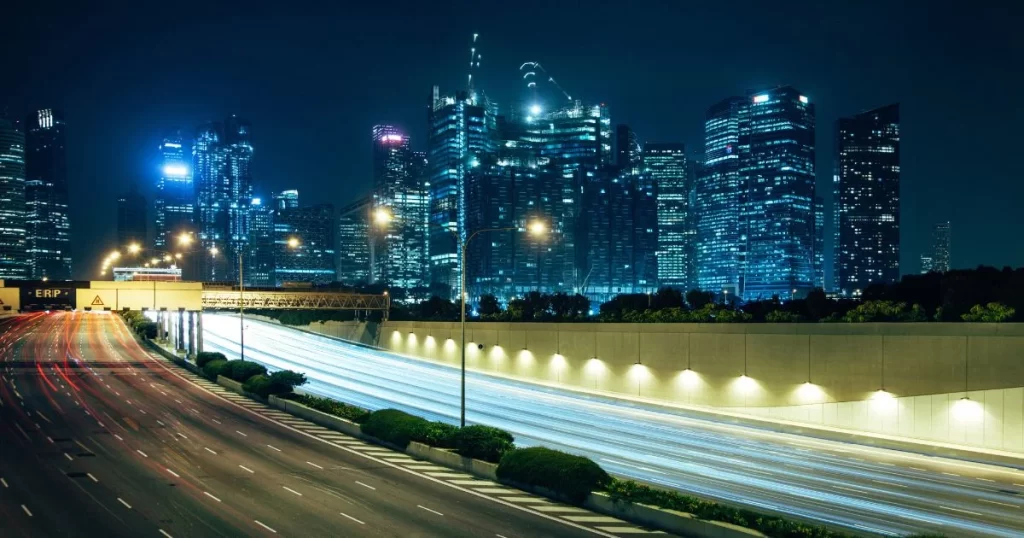
Smart-Green Integration: Smart traffic and water sensors, vertical gardens, AI for urban planning.
Key Outcomes: Reduced water losses to less than 5% and ranks among the world’s most sustainable urban centers (wwf.panda.org).
These examples prove that smart and green are not competing goals but rather mutually reinforcing strategies. By learning from these pioneers, other cities can accelerate their transition toward an intelligent and sustainable future.
For further information about the World's Best Green Cities and innovation in action, click here.
Idea n°4: Green Mobility -Reinventing Transportation in the Sustainable Green City
Transportation is one of the main contributors to urban emissions. To achieve net-zero goals, cities are rethinking how people move, replacing polluting modes with cleaner, more efficient, and human-centered alternatives. This green mobility revolution focuses on low-emission travel, accessible transit, and infrastructure that puts people over cars. The following strategies showcase how cities are actively turning transportation into a force for sustainability.
Car-Free Zones, Green Transit Hubs, and Cycle-First Planning
Modern Green Cities adopt car-free zones and low-emission neighborhoods that privilege people over vehicles. These areas reduce noise, pollution, and traffic congestion while making walking and cycling the default mode of transport. Key design elements include:
- Wide, tree-shaded sidewalks for pedestrian comfort and safety;
- Dedicated bike lanes, separated from car traffic;
- Green transit hubs that connect various transport modes while being powered by renewable energy;
- Pocket parks and public seating that encourage lingering, not just passing through.
Moreover, cities like Ghent and Copenhagen have proven that restricting car access boosts local economies and quality of life. These zones are more than traffic regulations—they are a blueprint for livable urban neighborhoods.
Electric Public Transit, Mobility-as-a-Service, and Urban Cable Cars
To decarbonize urban transport, cities are rolling out electric fleets, shared mobility platforms, and innovative aerial solutions. These systems reduce emissions, improve access, and cut travel times; all while lowering the need for private cars. Emerging trends include:
- Electric buses and streetcars that eliminate exhaust emissions and operate silently in dense areas;
- Mobility-as-a-Service (MaaS) platforms, combining apps and subscription models for seamless ride planning across modes;
- Urban cable cars, like Medellín’s Metrocable, that link hard-to-reach hilly neighborhoods to city centers using clean energy.
Besides, these solutions provide flexibility and inclusivity, serving regions where traditional infrastructure is expensive or impractical. As more cities electrify their fleets and integrate services, low-carbon transport becomes an achievable daily reality.
Integrating Transit-Oriented Development in Sustainable Urban Design
Transit-oriented development (TOD) is the cornerstone of sustainable urban mobility. By placing homes, shops, offices, and services within walking distance of reliable transit, cities minimize the need for cars and foster compact, low-emission communities. Key features of TOD include:
- High-density housing near metro and bus stations;
- Mixed-use developments that minimize the need for long-distance commuting;
- Pedestrian-friendly street grids that promote walkability;
- Accessible housing policies to prevent displacement near transit nodes.
Furthermore, TOD strengthens local economies and encourages active lifestyles by bringing daily needs closer to residents. Cities like Hong Kong and Portland have successfully used TOD to grow without sprawl, demonstrating that smart planning equals greener living.
Transformative Cities: Amsterdam, Oslo, Bogotá
Some cities are not just planning for green mobility, but are leading the charge with bold policies and transformative results. These pioneers prove what’s possible when ambition meets execution.
Amsterdam
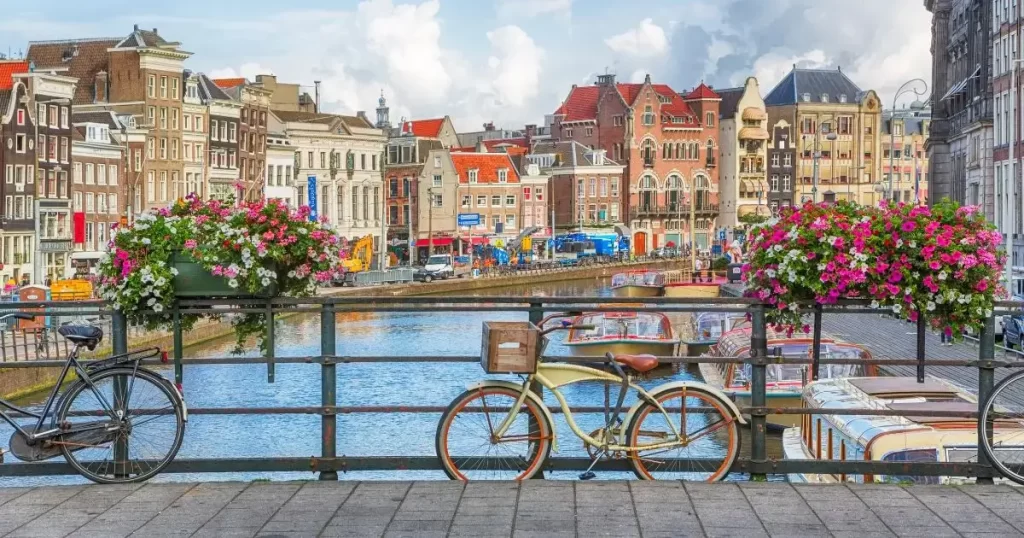
Bold Actions Taken: 400+ km of bike lanes, car restrictions in city center, subsidies for e-bikes
Measurable Impacts: Over 60% of trips in the city are now by bike or on foot (Neil’s Trips)
Oslo
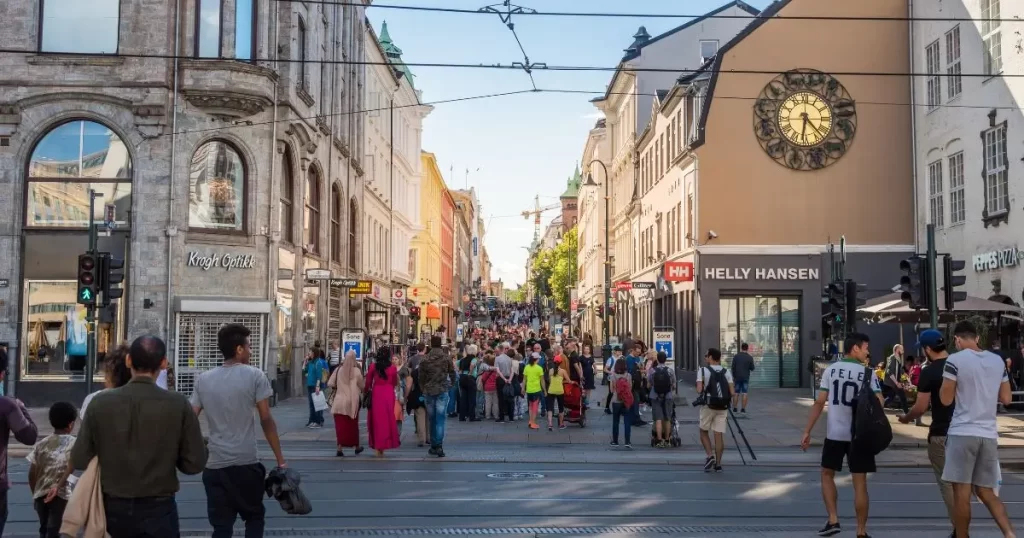
Bold Actions Taken:Phased out cars from downtown, invested in electric buses, and expanded bike paths.
Measurable Impacts: Achieved a significant reduction in car traffic in its central area (Mayors of Europe).
Bogotá

Bold Actions Taken: Created extensive Ciclovía network, launched TransMilenio BRT, and promoted car-free Sundays.
Measurable Impacts: Cut GHG emissions by 40% from urban transport while increasing access in low-income districts (Copenhagen Centre on Energy Efficiency)
These cities show that transformative change is not only desirable—it’s entirely doable. Their examples inspire others to act decisively, designing urban mobility that serves both people and the planet.
For further information about the World's Best Green Cities and innovation in action, click here.
Idea n°5: Urban Farming and Edible Landscapes-Feeding the Green City Sustainably
As cities grow denser, the need for local, sustainable food sources becomes critical. Indeed, urban farming is no longer a niche trend—it’s a vital tool for achieving climate resilience, social equity, and food security in the Green City. Integrating agriculture into city design, from rooftops to reclaimed parks, transforms how urbanites eat, connect, and thrive. The following sub-sections explore bold, practical ways to weave food production into the urban fabric.
Building Design Meets Agriculture: Rooftop Farms and Indoor Hydroponics
Innovative green cities are merging architecture with agriculture, creating multifunctional buildings that produce food, reduce energy use, and foster community. Key methods include:
- Rooftop farms, which utilize unused space to grow vegetables and herbs while insulating buildings, lower cooling needs;
- Indoor hydroponics, where crops grow without soil in water-based systems, allows year-round production in controlled environments;
- Aquaponics combines fish farming with plant cultivation to create a closed-loop ecosystem.
Benefits extend beyond food supply. These systems:
- Strengthen urban food security by reducing import dependency.
- Engage residents in educational and volunteer programs.
- Improve thermal regulation, reducing heat island effects.
As buildings become greener, they also become more self-sufficient and community-oriented.
Turning Vacant Lots and Parks into Productive Food Spaces
Cities are reclaiming underused spaces—vacant lots, brownfields, and park corners—and transforming them into thriving food gardens. This shift revitalizes blighted areas and creates economic and nutritional opportunities for local communities. Key drivers include:
- Zoning reforms that allow for food cultivation in residential and commercial zones;
- Citizen-led initiatives, such as community gardens and pop-up greenhouses;
- Public-private partnerships that fund, manage, and scale urban agriculture efforts.
These projects:
- Reduce urban blight and bring greenery to neglected areas;
- Create job opportunities in food production and garden maintenance;
- Foster community cohesion through shared stewardship.
By giving new life to idle land, cities become greener, more inclusive, and more productive.
Sustainable Urban Design for Local Food Resilience and Social Connection
Urban agriculture plays a key role in creating resilient cities, capable of feeding their populations during crises and adapting to Climate Change. When integrated into planning, food systems become part of the Sustainability infrastructure. Benefits of food-focused design include:
- Shorter supply chains, reducing emissions, and transportation needs;
- Green public spaces that double as edible landscapes, enhancing access to fresh produce;
- Health promotion, as communities engage in physical gardening and consume more fruits and vegetables.
Additionally, urban farms offer:
- Social equity, by addressing food deserts and creating inclusive spaces;
- Climate adaptability, by absorbing rainfall and lowering surface temperatures.
Ultimately, these landscapes nourish both the city’s environment and social fabric.
Highlights from New York, Detroit, Tokyo, and Havana
Several cities have pioneered urban farming at scale, showcasing its power to revitalize communities, support local economies, and feed growing populations. Among the most remarkable are:
New York - Brooklyn Grange
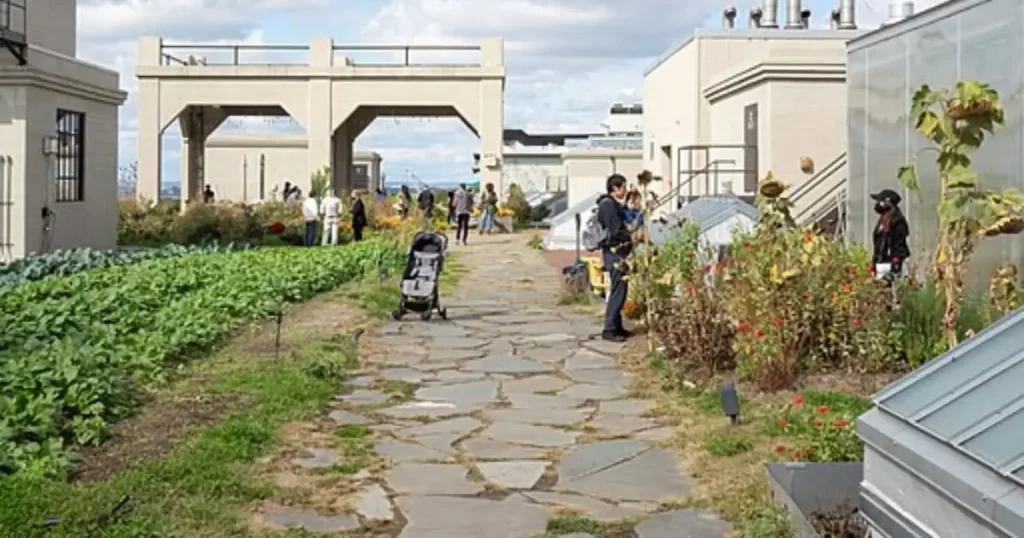
By @Rhododendrites, CC BY-SA 4.0, via Wikimedia Commons
Urban Farming Highlights: largest rooftop soil farm in the world
Impact : Over 100,000 lbs of produce annually, educational and employment programs (Source: NYC Food Policy Center (Hunter College).
Detroit - Community garden
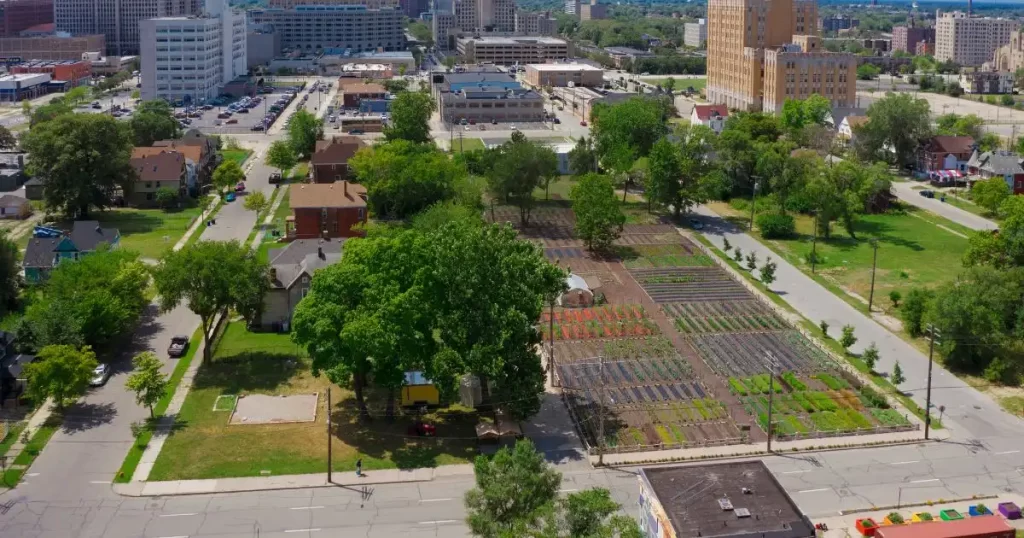
Community garden, via Canva.com
Urban Farming Highlights: Over 1,500 community gardens on former industrial sites (Wikipédia)
Impact: Boosted local food access in underserved areas, created new micro-economies .
Tokyo
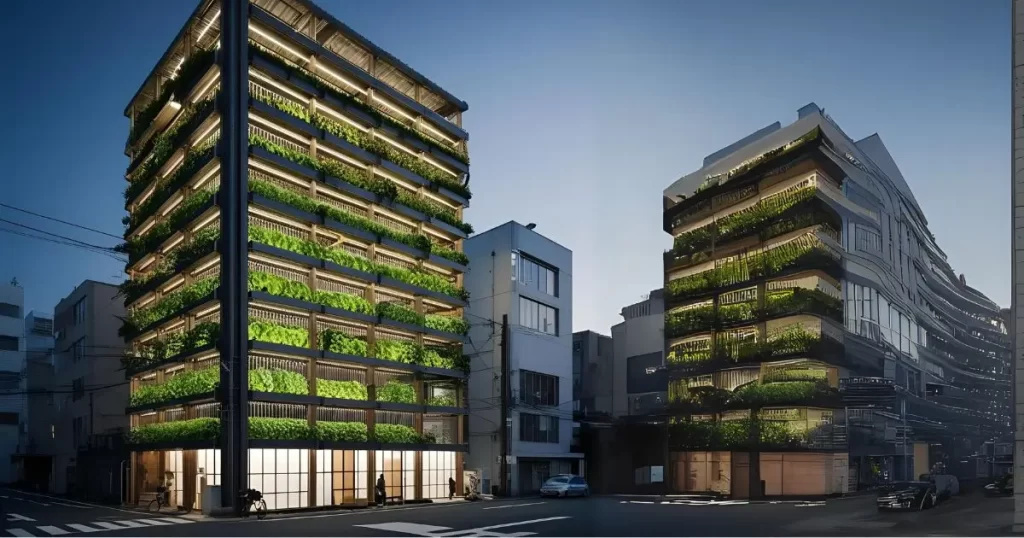
Vertical Farm by@ Valcenteu, CC BY-SA 3.0, via Wikimedia Commons
Urban Farming Highlights: High-tech hydroponics and vertical farms in supermarkets and office buildings
Impact: Reduces food miles and serves as a model for dense megacities
Havana
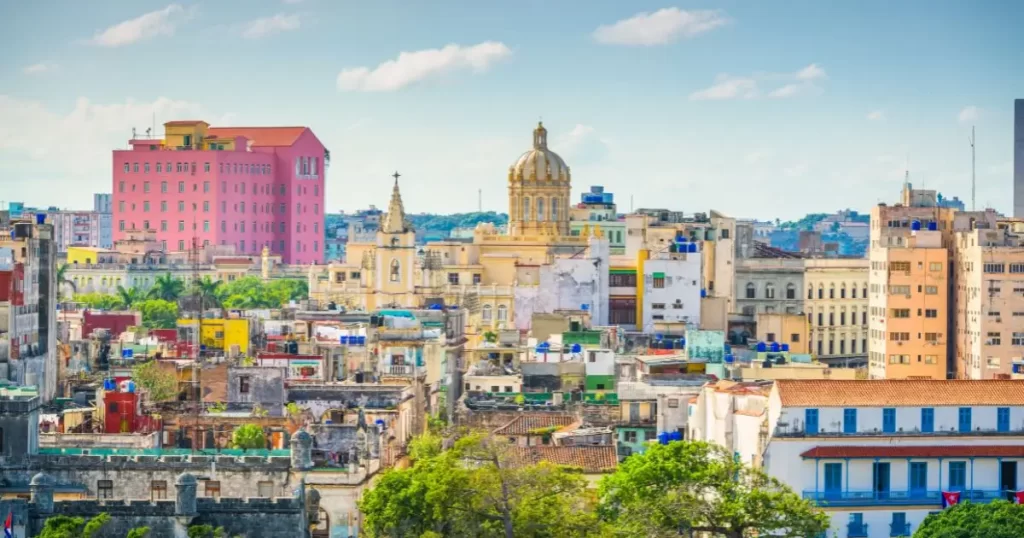
By @ …………. on ………………..
Urban Farming Highlights: Nationwide urban agriculture program post-1990s food crisis
Impact: Now produces over 50% of the city’s fresh vegetables sustainably Source: tri.yale.edu
These case studies prove that the appropriate policies and community engagement can make urban food systems thrive, even in the most unexpected places.
For further information about the World's Best Green Cities and innovation in action, click here.
Idea n°6: Climate-Responsive Water Management in the Green City
As climate change intensifies, urban water systems must evolve from rigid, resource-intensive models to more adaptive, circular frameworks. To address this need, forward-thinking cities are adopting water-sensitive design. This approach not only conserves resources but also boosts resilience against droughts, floods, and heatwaves.
Moreover, by embedding water management practices into both private buildings and public spaces, green cities are reframing water as an asset rather than a liability. The following strategies highlight how this shift operates in innovative and impactful ways.
Building Design that Captures, Stores, and Reuses Water
Modern green architecture increasingly integrates on-site water management systems to conserve resources and reduce pressure on municipal infrastructure. Thus, these innovations ensure an efficient use and reuse of every drop of water whenever possible. Key features of this approach include:
- Green roofs, which absorb rainfall, reduce stormwater runoff, and help lower rooftop temperatures;
- Rainwater cisterns to collect and store precipitation for uses like irrigation, toilet flushing, or cooling;
- Greywater recycling systems, which capture wastewater from sinks and showers for non-potable reuse.
As a result, these water-smart design solutions offer a range of significant benefits:
- They reduce demand on increasingly scarce freshwater supplies;
- They allow buildings to function more independently during droughts or water shortages;
- They contribute points toward certifications like LEED and other sustainable building standards.
Ultimately, by aligning building design with natural water cycles, Sustainable Architecture becomes more self-sufficient and better equipped to withstand climate-related stressors.
Permeable Surfaces, Bioswales, and Rain Gardens in Public Spaces
Urban design is shifting away from rigid, impermeable surfaces toward nature-based drainage systems that mimic ecosystems and offer multiple environmental benefits. Among the most impactful interventions are:
- Permeable pavements that allow rain to infiltrate into the ground, replenishing aquifers;
- Bioswales, which are planted channels that filter pollutants while slowing and directing runoff;
- Shallow rain gardens, planted depressions that absorb stormwater and improve biodiversity.
These strategies provide:
- Significant reductions in urban flooding and surface runoff;
- Improved air and water quality through filtration;
- Cooler microclimates mitigate the urban heat island effect.
Not only functional, these elements also enhance urban aesthetics and biodiversity, creating greener, more pleasant neighborhoods.
Smart City Infrastructure for Flood Control and Drought Resilience
As climate extremes become more unpredictable, green cities invest in data-driven systems to monitor, predict, and respond to water-related challenges in real time. Core technologies include:
- Sensor networks embedded in sewers and waterways to track water levels and detect leaks;
- AI-powered forecasting, predicting floods or droughts using weather patterns and historical data;
- Automated valves and retention systems that manage drainage flow or water storage dynamically.
These tools enable cities to:
- Quickly respond to flood threats, minimizing damage;
- Optimize water distribution during droughts, avoiding shortages;
- Identify inefficiencies or leaks in water infrastructure before they become serious.
Jointly, smart tech and water-sensitive design ensure that cities remain adaptable and efficient, even in the face of climate volatility.
Flagship Cities
Two leading cities have demonstrated the transformative power of integrating climate-resilient water strategies into urban planning, resulting in compelling outcomes.
Singapore’s ABC Waters Program
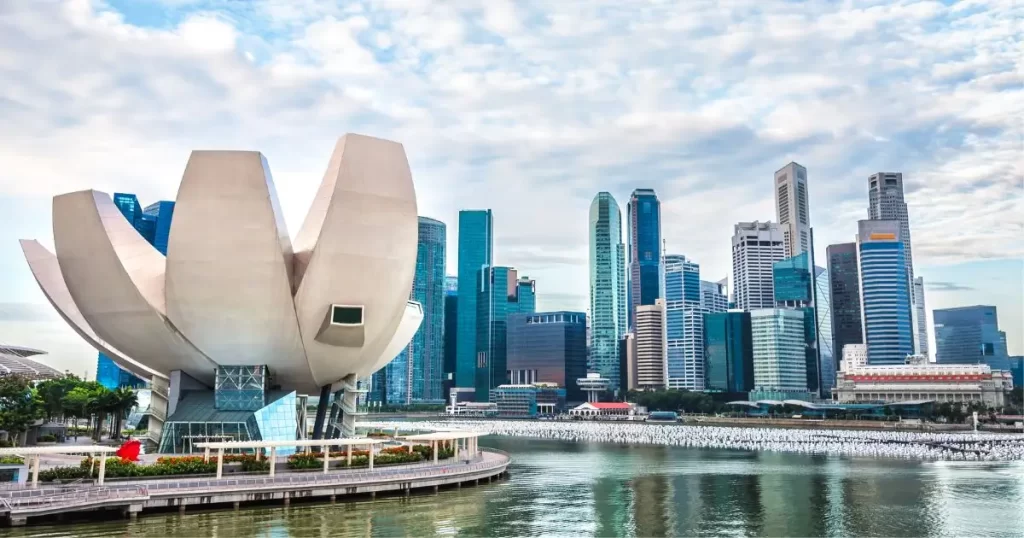
Singapore’s ABC Waters Program (Active, Beautiful, Clean)
Key Goals: Integrate drainage with public space, improve water quality, promote recreation.
Outcomes: Over 100 projects citywide; improved biodiversity and water education.
Portland’s Green Streets (USA
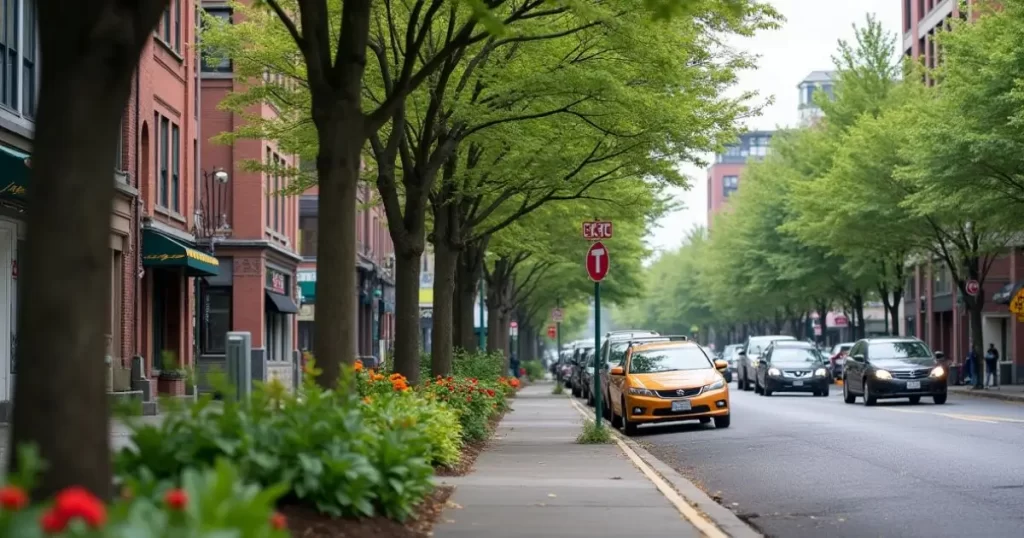
Portland’s Green Streets Initiative
Key Goals: Retrofit streets with bioswales and green curbs to manage stormwater
Outcomes: Reduced sewer overflows by 94%; 600+ green street facilities installed.
These examples prove that holistic, beautifully designed water systems can create healthier, safer, and more livable cities, while being replicable worldwide.
For further information about the World's Best Green Cities and innovation in action, click here.
Idea n°7: Renewable Energy Neighborhoods: Powering the Green City with Clean Tech
Renewable energies are at the heart of cities’ transition to a greener, more sustainable future. From net-zero buildings to entire neighborhoods powered by clean tech, green cities are embracing innovative energy systems that reduce environmental impacts and enhance quality of life. By integrating renewable resources like solar, wind, and geothermal energy, cities meet their energy needs in environmentally responsible and economically viable ways. Below, we explore key elements of this clean energy evolution.
From Net-Zero Buildings to Positive-Energy Districts
In the journey towards sustainable green city, net-zero buildings and positive-energy districts set the bar for energy performance.
- Net-zero buildings produce as much energy as they consume through combined efficiency measures and on-site renewable energy
- Positive-energy districts, on the other hand, generate more energy than they use, feeding surplus power back into the grid or neighboring areas.
The shift from net-zero to positive energy marks a significant leap, driven by:
- Advanced insulation and energy-efficient technologies;
- Solar panels and wind turbines that effortlessly blend into city infrastructure;
- Performance metrics such as energy return on investment (EROI) and carbon neutrality
By adopting these strategies, cities can create Sustainable Buildings and thriving energy-positive communities that contribute to long-term environmental resilience.
Embedding Solar Panels, Wind Turbines, and Geothermal Systems into Urban Design
Integrating renewable energy technologies into the built environment has never been more significant. Cities are now embedding solar panels, wind turbines, and geothermal systems directly into their infrastructure, ensuring clean energy is not just a peripheral addition but a central component of urban life.
- Solar panels are seamlessly integrated into rooftops, facades, and roadways to maximize exposure and efficiency.
- Wind turbines are strategically placed in open spaces, providing power to local grids without disrupting urban aesthetics.
- Geothermal systems use underground heat to provide space heating and cooling for buildings, reducing reliance on fossil fuels.
These renewable solutions:
- Lower energy costs for residents and businesses
- Enhance energy independence by harnessing local renewable sources
- Create synergies with other urban sustainability goals, such as reducing air pollution and conserving water
As cities look to the future, these technologies promise to make clean, renewable energy an integral part of urban life.
How Sustainable Architecture and Smart Infrastructure Work Together
The future of the green city relies on the synergy linking sustainable architecture and smart infrastructure. By integrating passive design techniques, data-driven technologies, and smart grids, cities can drastically improve energy efficiency and reduce carbon footprints.
- Passive design strategies include optimizing natural lighting, insulation, and ventilation to minimize energy consumption.
- Smart infrastructure uses IoT sensors and automation to manage energy use, adjusting based on real-time data and environmental conditions.
- Data analytics further enhances this process by predicting energy demand and optimizing distribution.
This combination of architectural intelligence and technological innovation enables cities to:
- Maximize energy efficiency
- Achieve greater energy independence
- Monitor and control energy use in real time for optimal sustainability
Ultimately, this integrated approach fosters resilient, low-carbon urban environments that can meet future energy challenges.
Leading Cities
Several cities already set the standard for renewable energy neighborhoods, with groundbreaking examples worldwide. These leaders show how integrating clean tech, sustainable urban planning, and innovative energy systems can generate tangible, impactful results.
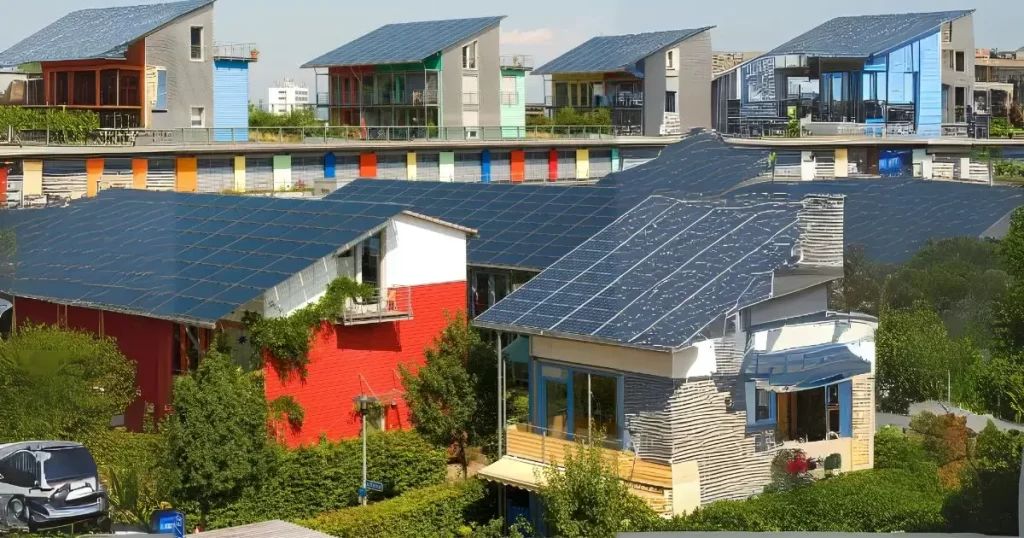
Vauban (Germany)
By @ …………. on ………………..
Car-free design, solar-powered homes
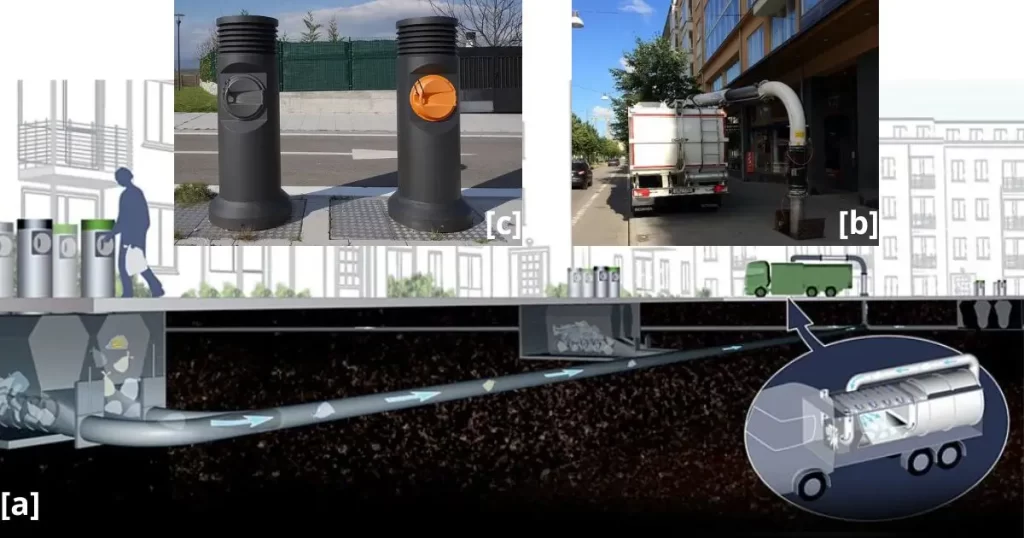
Hammarby Sjöstad -Sweden
By Basotxerri, CC BY-SA 4.0, via Wikimedia Commons
Waste-to-energy, district heating from renewable sources
Masdar City (UAE)
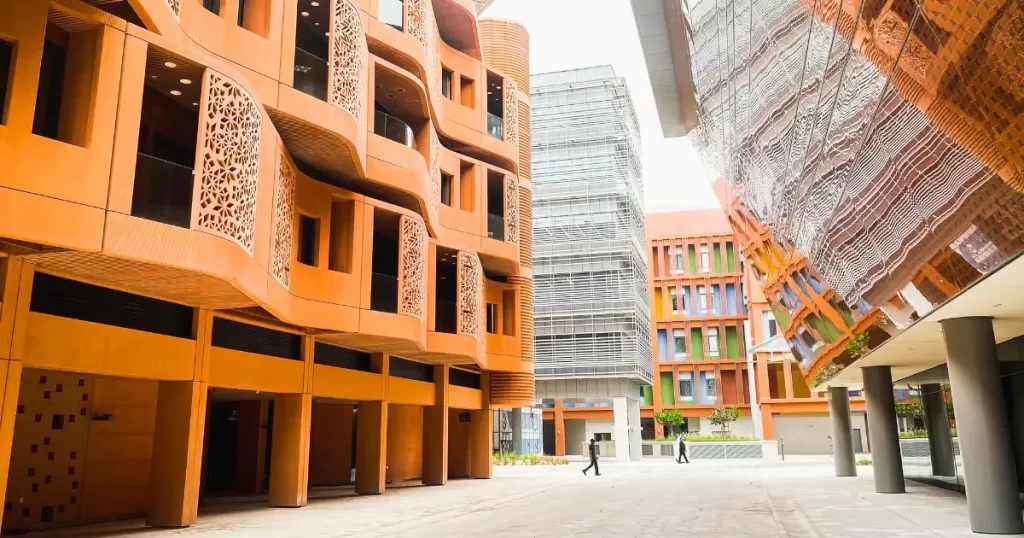
Solar power, sustainable architecture, electric transport
These pioneering neighborhoods prove that creating energy-positive communities is not only feasible but offers measurable, scalable solutions for other cities to adopt.
For further information about the World's Best Green Cities and innovation in action, click here.
In conclusion,
The vision for the green city is taking shape through innovative urban planning, smart technologies, and sustainable practices that prioritize the well-being of people and the planet. From green mobility initiatives and smart infrastructure to urban farming and renewable energy neighborhoods, bold ideas are leading the way in creating cities that mitigate environmental impact and offer a higher quality of life.
As cities embrace eco-friendly designs and data-driven solutions, we are witnessing a new era of urban life that is resilient, efficient, and sustainable. Moving forward, these strategies offer a blueprint for future urban development, where sustainability is at the core of every decision. As we continue to innovate and adopt these principles, the green city of tomorrow is within our reach. But the question is, are we ready to act and bring these ideas to life globally?
Leave a Comment