
Threshold Definition Secrets: Why It Matters for Eco Design Innovation
By Mz Chaker & EAGC │November 03, 2025
Discover the Threshold definition and its role in shaping sustainable architecture, eco design, and innovative green city solutions.
Introduction: Unlocking the Hidden Power of Thresholds
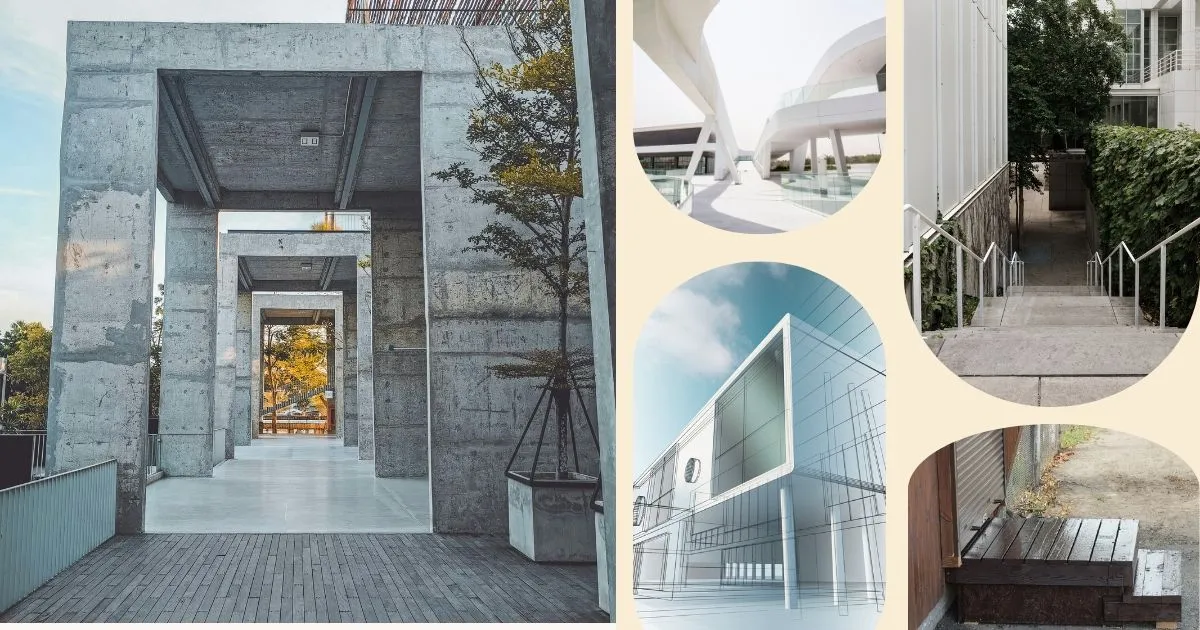
When architects discuss spaces, they often emphasize walls, roofs, or facades. Yet the Threshold Definition — those moments of transition between inside and outside, public and private, or nature and built form — quietly shape our experiences more than we realize. Far beyond doors and openings, thresholds act as bridges. They influence how we feel, how we move, and even how sustainable our environments become.
For centuries, thresholds carried symbolic meaning, marking protection, belonging, or welcome. Today, in the face of climate challenges, they play a new mission. Thresholds are no longer passive details but active agents of eco-design innovation. But why are these overlooked drivers of Sustainable Architecture’s matter now more than ever? How can rethinking transitions between inside and outside reshape our buildings, cities, and communities?
This article examines how thresholds hold the power to redefine Eco Design Innovation, providing architects and planners with tools to create regenerative, adaptive, and deeply human-centered spaces. From eco-building design strategies to urban planning elements that enrich daily life, we explore how every shaded entrance, lobby, or public plaza presents an opportunity to conserve energy and foster well-being.
1. Decoding the Threshold definition: Beyond Physical Boundaries
Thresholds carry many layers of meaning — physical, cultural, and experiential. Each shapes how we interact with space. To unpack these layers, we’ll look at three key aspects: their architectural and urban role, their symbolic and cultural dimensions, and their power to create meaningful transitions.
Architectural and Urban Meaning
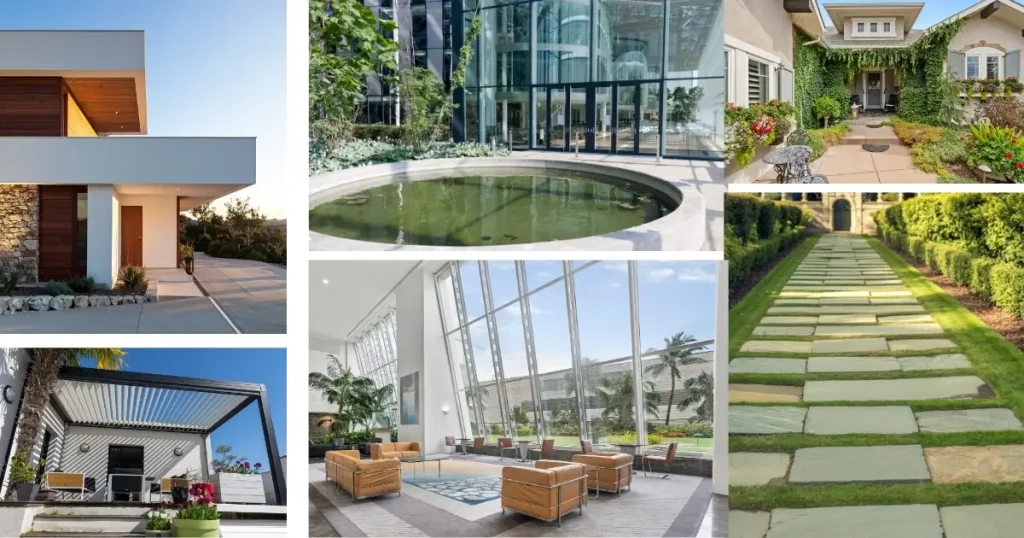
A threshold is never just a line on the ground. In architecture, it defines a transitional zone — where climates shift, behaviors change, and perceptions adjust. It can be the shaded porch that mediates heat, the glass atrium that blends the street and lobby, or the landscaped edge between the building and the park. These thresholds serve as delicate balances between separation and connection.
According to Oxford Reference [1] — Threshold (Architecture), the term also historically refers to the cap of a door cill or the bottom part of a door frame, underlining its literal and symbolic role as the place of passage between one realm and another.
Symbolic and Cultural Dimensions
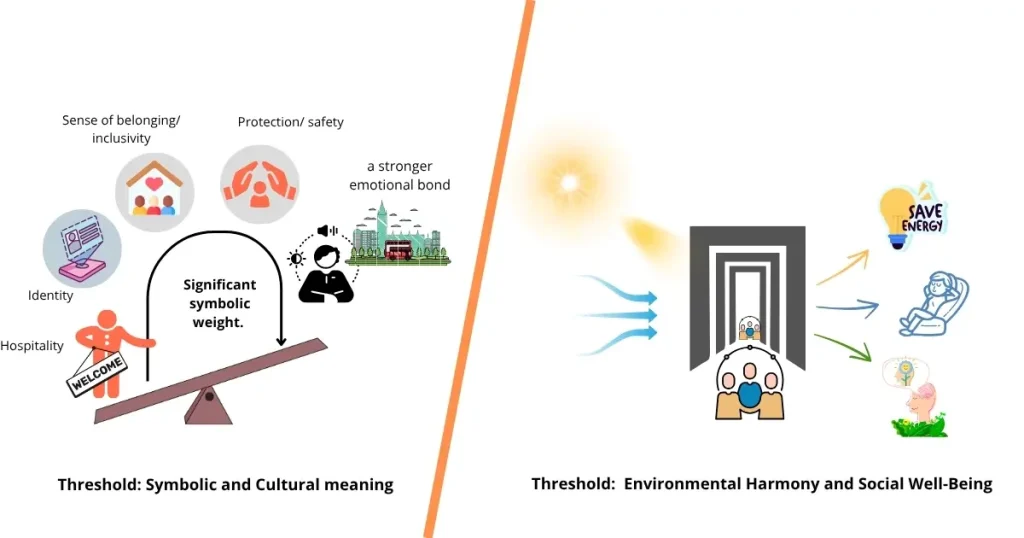
Culturally, thresholds also serve as markers of identity and a sense of belonging. They shape how communities define themselves and welcome others. In many societies, stepping over a threshold carries significant symbolic weight.
It can signify hospitality, protection, or transformation. Moreover, these symbolic acts often blend with practical needs, as thresholds historically offered both physical shelter and cultural meaning. Consequently, that sense of meaning persists even in modern Green Cities. Here, a well-designed threshold not only signals inclusivity, safety, and environmental care but also fosters a stronger emotional bond between people and their environments.
Designing Transitions, Environmental Harmony and Social Well-Being
Most importantly, threshold definition is about designing transitions, not just openings. That influences airflow, daylight, and social interaction, and this influence extends into comfort, energy, and well-being. Moreover, they help people adjust their senses as they move between spaces, creating smoother flows and enhancing adaptability. As a result, thresholds guide both physical movement and psychological readiness for new environments.
In practice, a well-considered threshold can reduce mechanical energy use while enriching the user experience — a dual achievement at the heart of sustainability. For instance, a shaded portico can regulate heat gain. At the same time, a transparent atrium threshold allows natural light to channel into interiors. Similarly, recessed entries or arcades can act as microclimate buffers, softening environmental extremes before users cross inside.
2. Ancient Wisdom, Modern Solutions: Learning from History
To fully appreciate the potential of thresholds today, we must first understand their historical roots. Examining how past societies conceived and utilized thresholds reveals technical ingenuity, as well as cultural and symbolic depth. This historical perspective naturally leads us into three dimensions: vernacular architecture, cultural rituals, and timeless lessons for sustainability. Each offering insights that continue to shape modern design.
Threshold definition in Vernacular Architecture
In vernacular architecture, thresholds were central elements, often raised to keep out dust and street noise. This simple elevation also protected the home’s privacy and intimacy. In many regions, thresholds helped moderate the climate. Elevated entrances kept houses safe from floods, while shaded areas reduced heat.
In traditional Japanese houses, the genkan served as both a physical and symbolic pause. It reminded visitors to remove their shoes and shift their mindset. This small act marked a change in posture, mood, and awareness.
Similarly, in Mediterranean courtyards and Islamic riads, thresholds defined the transition from public bustle to private calm. Thus, they offered shade, encouraged airflow, and created a quiet sense of retreat. Through these design gestures, ancient builders created comfort while striking a balance between social and environmental considerations
Rituals and Symbolism Across Cultures
Across cultures, the threshold definition held deep ritual significance that exceeded its physical purpose. They marked moments of passage and transformation. In ancient Egypt and Greece, temple thresholds symbolized the transition from the earthly to the divine realm. These spaces invited reverence and prepared the spirit for sacred experience.
Likewise, in Hindu and Buddhist traditions, thresholds were often blessed with sacred markings or offerings. These acts reinforced their protective and transformative nature. They reminded people that every crossing carried spiritual weight and intention.
Furthermore, in many cultures, people adorned thresholds with flowers, water, or protective charms. Such gestures blended beauty with belief. They expressed values of welcome, safety, and spiritual continuity, while embedding cultural meaning into material form. Together, these practices turned simple architectural details into potent symbols of belonging and respect.
Timeless Lessons for Sustainability
The practices described above were not only symbolic but also sustainable, as they worked in harmony with local climates and materials. Raised thresholds kept interiors cool and dry. Shaded entrances managed sunlight, while transitional spaces reduced the need for artificial systems. Moreover, by regulating heat, airflow, and moisture naturally, they lowered resource consumption and improved long-term durability.
Today, as architects design climate-smart buildings, these timeless strategies continue to inspire modern solutions. They demonstrate that even minor design adjustments can have a substantial impact. Consequently, they remind us that the threshold definition is not a minor detail but an essential tool for resilience that adapts easily across scales, from small homes to entire cities.
3. The Eco-Design Impact: How Threshold definition Drive Sustainable Architecture
Thresholds quietly act as engines of Sustainable Architecture. When designed with intention, they improve Energy Efficiency, comfort, and well-being. Let’s explore their eco-design potential.
Passive Design in Action
Thresholds can regulate natural light and airflow, reducing dependence on artificial systems and improving indoor comfort. For instance, a shaded entry canopy not only cools interiors but also prevents glare and overheating near doorways.
Similarly, ventilated porches channel breezes into the building, acting as natural air-conditioning systems that promote continuous air circulation. Moreover, deeply recessed entries or overhangs can limit direct solar gain while protecting entrances from rain and harsh weather.
Additionally, these architectural features contribute to thermal comfort by maintaining a balanced indoor temperature throughout the day. They also enhance durability, since controlled shading and ventilation help reduce material wear caused by humidity and sunlight.
Together, such design details embody the principles of Passive House design, where simplicity meets performance. Ultimately, they demonstrate how thoughtful threshold definition can help reduce energy demand, enrich the user experience, and foster a deeper connection between people and the climate.
Seamless Indoor-Outdoor Living
By blurring boundaries, thresholds connect occupants with daylight, greenery, and fresh air, creating spaces that feel open and alive. These transitions improve health and expand usable areas without requiring heavy construction or added energy use. Moreover, they promote social interaction by extending living zones into patios, balconies, and gardens, forming flexible spaces that adapt to seasons, moods, and daily activities.
For instance, sliding glass walls or shaded pergolas enable interiors to flow naturally into the outdoors, fostering a sense of freedom and spaciousness. They also enhance natural ventilation, reducing the need for mechanical cooling while maintaining a comfortable environment. Additionally, these transitional spaces invite people to gather, rest, or work close to nature. Such connections embody biophilic design, reinforcing the human bond with the environment and boosting psychological well-being, creativity, and relaxation. Ultimately, well-designed thresholds transform buildings into living ecosystems that breathe with their surroundings.
Microclimate Regulators
Thresholds act as climate buffers, managing heat, humidity, and shade. They soften abrupt shifts between indoor and outdoor climates. Moreover, courtyards, arcades, and recessed doors help buildings adapt to local weather conditions. These features also provide shaded transition zones that reduce glare and promote airflow. Additionally, they encourage people to utilize semi-outdoor areas for relaxation and social interaction.
In hot regions, thresholds function as cooling zones where air slows and settles before entering interiors. Conversely, in colder climates, they reduce heat loss by forming layered entry zones that retain warmth. As a result, thresholds enhance thermal comfort and lessen dependence on mechanical systems. Ultimately, they create smoother environmental transitions that connect energy performance with human well-being, proving that thoughtful design can harmonize comfort and sustainability.
Catalysts for Adaptive Reuse
Old factories and warehouses often gain new life through threshold redesign. Openings, atriums, and courtyards turn rigid structures into flexible and welcoming spaces. These transformations breathe energy into places once abandoned or forgotten.
By reshaping entrances and adding semi-public plazas, designers create inclusive zones that invite community use. Likewise, carving daylight thresholds into walls introduces natural light and enhances spatial quality. Step by step, these interventions transform obsolete buildings into cultural centers, co-working studios, or lively community hubs.
In this way, thresholds become more than physical connectors — they act as instruments of social regeneration. They help reduce demolition waste and conserve embodied energy. At the same time, they nurture new urban identities, blending heritage with sustainability and showing how adaptive reuse revitalizes cities.
Green Materials for Thresholds
Using bamboo, reclaimed wood, or recycled steel in entry systems reduces embodied carbon while promoting local sourcing and circular economies. These choices also lower transportation impacts, enhance material longevity, and celebrate craftsmanship. Consequently, thresholds evolve into living showcases for Green Building standards in action, demonstrating how design decisions can align aesthetics, performance, and sustainability.
Biophilic Thresholds for Human Well-Being
When thresholds feature plants, textures, and daylight, they nurture comfort, reduce stress, and support mental restoration. They allow users to pause, breathe, and feel more connected with their surroundings. Moreover, elements such as green walls, water features, and natural flooring textures amplify sensory richness, creating immersive, calming experiences. That is Biophilic Design at its most accessible, blending ecological function with emotional well-being.
For example, the Bullitt Center in Seattle, often called the world’s greenest office building, uses expansive glass thresholds to maximize daylight and foster connection with its surrounding ecosystem. These design moves cut energy use by nearly 80% compared to standard office buildings (Source: Bullitt Center).
4. Threshold definition in Green City Planning: Designing Regenerative Urban Spaces
The threshold definition does not apply solely to buildings. At the urban scale, they shape the soul of Green Cities. Streets, plazas, and public corridors act as thresholds between neighborhoods, cultures, and ecosystems.
Urban Thresholds as Social Catalysts
A shaded plaza or lively market entrance becomes more than a physical space. It evolves into a gathering point that encourages interaction. Because people naturally gravitate to welcoming thresholds, these places nurture community engagement, strengthen social trust, and spark cultural exchange.
Moreover, when designed with seating, shade, and interactive features, they become inclusive spaces that invite both planned events and spontaneous encounters, creating continuous opportunities for dialogue and connection.
Accessibility and Eco-Mobility
Thresholds guide movement in subtle yet powerful ways. When sidewalks, cycle lanes, and transit stations connect through clear transitions, they create a seamless network that supports sustainable transport. Furthermore, these carefully planned thresholds enhance accessibility by ensuring smooth navigation, making cities more inclusive for children, elderly citizens, and disabled users.
Thus, through threshold definition, functional design choices not only improve efficiency but also foster equity and dignity for all urban residents.
Resilient Public Spaces
As climate risks rise, threshold definition play a crucial role in helping cities adapt. For instance, elevated walkways not only safeguard against floods but also maintain connectivity during emergencies. In addition, tree-lined boulevards provide shade that mitigates urban heat while simultaneously improving air quality and walkability. Likewise, waterfront promenades serve a dual purpose: they act as natural storm barriers while offering accessible recreational spaces that strengthen community life.
For example, Copenhagen’s harborfront redesign transformed former industrial docks into multifunctional green public thresholds. Not only do these spaces manage rising sea levels, but they also provide recreational areas that attract residents and visitors alike. Moreover, they enhance biodiversity by integrating wetlands and green corridors, while simultaneously reinforcing the city’s identity as a global model for resilient sustainability (Source: City of Copenhagen).
5. Practical Applications: Bringing Threshold Thinking into Design
Thresholds evolve from abstract concepts into powerful tools only when translated into tangible design strategies. The following sections outline how architects and planners can integrate them effectively into practice, ensuring they deliver both functional and sustainable impact.
From Concept to Construction
Early design stages should carefully map threshold moments — such as entrances, courtyards, lobbies, and terraces — because they immediately influence comfort, circulation, and energy flows. Moreover, identifying these points early allows architects to align spatial sequences with natural light, airflow, and user behavior.
For example, positioning an entrance to capture prevailing breezes can enhance ventilation, while orienting a courtyard toward the sun ensures warmth in cooler seasons.
Additionally, mapping thresholds during concept design facilitates smoother collaboration with engineers and planners, making it easier to integrate sustainable strategies across various disciplines. Ultimately, a proactive focus on thresholds at the start creates resilient frameworks that guide design decisions through all subsequent project phases.
Guidelines for Sustainable Thresholds
Key strategies include the following, each of which contributes to both user comfort and environmental performance:
- Orient thresholds to maximize daylight but avoid glare. This solution keeps spaces bright and welcoming. It also reduces the need for artificial lighting.
- Use low-carbon, local, or recycled materials whenever possible. That lowers embodied energy and supports regional economies. It also minimizes transportation impacts.
- Design for cross-ventilation to cut energy demand. Well-placed openings encourage natural airflow. That reduces reliance on mechanical systems.
- Layer greenery to manage shade and biodiversity. Green features create cooler microclimates and enhance stormwater control. They also provide habitats for pollinators and small wildlife.
Additionally, these strategies are most effective when used in combination rather than applied in isolation. The interplay between orientation, materials, airflow, and planting multiplies the overall sustainable benefits.
Overcoming Barriers
Cost and culture often stand as significant barriers to architectural innovation. Many clients focus on immediate expenses rather than long-term benefits. However, when designers consider the lifecycle savings achieved through energy efficiency and improved user well-being, investments quickly become justified. Reduced energy bills, lower maintenance costs, and healthier indoor environments all contribute to substantial long-term value.
Moreover, technical advancements now make sustainable design more accessible and affordable. For example, modular prefabricated entries can be produced off-site, minimizing labor, waste, and on-site disruption. These elements are efficient to install and adaptable to different contexts, offering flexibility for both new constructions and retrofits.
Additionally, integrating passive design strategies from the outset enhances performance without the need for costly mechanical systems. Thus, by aligning financial planning with sustainable thinking, architects can overcome cultural hesitation and prove that smart thresholds deliver both economic and human-centered returns.
5.4. Inspiring Examples
Across the world, several pioneering projects illustrate how threshold definition & design can redefine the relationship between people, buildings, and the environment. These examples show that when architects integrate nature, climate awareness, and social connection into spatial transitions, thresholds become powerful tools for sustainability and urban vitality.
- The Bosco Verticale in Milan beautifully illustrates how architecture can merge nature and urban life. Its lush green balconies act as living thresholds between private apartments and the bustling city beyond. These vertical gardens filter air, absorb noise, and provide shade, creating microclimates that reduce energy use while offering residents a daily connection with greenery.
- Singapore’s Marina One demonstrates how sky gardens can serve as elevated thresholds that cool and enliven dense urban environments. These layered green spaces link towers both visually and socially, allowing light and air to circulate freely through the complex. As a result, they transform what could have been isolated structures into a vibrant, breathable ecosystem within the city.
- In Freiburg’s Vauban district, shaded streets and communal courtyards function as social thresholds, encouraging interaction and supporting passive cooling. This approach reflects a broader sustainability strategy that prioritizes comfort, community, and environmental balance.
Together, these examples reveal how well-designed thresholds are not secondary details but essential drivers of Eco Design innovation, shaping cities that harmonize human life with nature.
Conclusion: Thresholds as Silent Innovators for a Sustainable Future
Thresholds are everywhere, yet too often invisible. They are the silent innovators of architecture and urban design. By controlling light, airflow, and comfort, they embody the essence of Sustainable Architecture. By connecting people, places, and ecosystems, they unlock the future of Eco Design Innovation.
As the world faces climate change, thresholds offer a roadmap to Green Energy solutions, resilience, and community. They prepare our buildings and cities to adapt — not by adding complexity, but by rediscovering timeless wisdom with modern tools.
The next generation of Passive house design, biophilic projects, and smart cities will succeed when they rethink thresholds as tools of transition, connection, and regeneration.
For architects, planners, and decision-makers, the call is clear: do not overlook thresholds. Recognize them as vital moments of design that hold the power to shape healthier lives, adaptive buildings, and climate-smart cities. By embracing thresholds, we unlock not only architectural elegance but also pathways to a more sustainable, resilient, and inspiring future.

Leave a Comment